10 FOODS THAT ALMOST NEVER EXPIRE
So for some unexplainable reasons, you forget about that
food item in your kitchen cabinet for so long. On inspection it looks to you like
it’s has been long past its shelf life (or may be the label indicates it has
actually expired), and thrashing it seems like…you know, like something is
holding you back. Maybe it’s a bit of financial pinch or your frugal tendencies
in play. Whatever it is, we have compiled a list of TEN food items that you can
stock in your pantry for many years and not worry about them expiring. Though when
kept for years taste is naturally lost for some, the nutritional values of these foods
however remain the same. Of course the key to making them last longer is to store them away from moisture.
10 FOODS THAT ALMOST NEVER EXPIRE
1. HONEY

Apart from the fact that it is widely regarded as a good and healthy substitute for sugar and many gush over its delicious taste, honey is one edible you need not worry about for its shelf life. This wonder food which is also reputed for its many medicinal benefits in many culture throughout ages (especially for treating open wounds) is about the only food that almost does not expire.
Apart from the fact that it is widely regarded as a good and healthy substitute for sugar and many gush over its delicious taste, honey is one edible you need not worry about for its shelf life. This wonder food which is also reputed for its many medicinal benefits in many culture throughout ages (especially for treating open wounds) is about the only food that almost does not expire.
The oldest honey edible honey in history was unearthed in Egypt and was
estimated to have been 3,000 plus years.
Because of its acidic content (pH is between 3 and 4.48) and
very low moisture, bacteria and other microorganisms can’t survive in honey and
so spoilage is almost non-existent. For your honey to keep longer and remain
unspoiled, you have to avoid exposure to moisture by storing in an airtight container and in a dry
environment .
When honey crystallizes it is still edible and this problem
can be solved by heating in a bowl of warm water and stirring continuously.
2. SUGAR

Sugar regardless of the type, like honey also doesn’t support microbial growth and as such can last for many years. The key is keeping away from moisture. But even when granulated sugar hardens and forms crust when exposed to moisture, it is still as edible as ever.
Sugar regardless of the type, like honey also doesn’t support microbial growth and as such can last for many years. The key is keeping away from moisture. But even when granulated sugar hardens and forms crust when exposed to moisture, it is still as edible as ever.
3. SALT

I am sure nobody has recorded a bacterial growth or that of any other microorganism for that matter on salt. This is the reason pure Table salt or Common salt (non-iodized) can keep forever. No wonder the compound is itself used for preservation of other food items.
I am sure nobody has recorded a bacterial growth or that of any other microorganism for that matter on salt. This is the reason pure Table salt or Common salt (non-iodized) can keep forever. No wonder the compound is itself used for preservation of other food items.
4. RICE
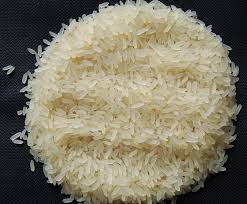
A respected member of the common staples in West Africa and in many cultures, white or polished rice can keep for very long, even as long as thirty years. Where the sack appears with thick layers of dust due to many years of storage, you can be assured that the content remains edible with the taste as good as the day it was bought. Brown rice however doesn’t last more than 6 months because of its oil content.
A respected member of the common staples in West Africa and in many cultures, white or polished rice can keep for very long, even as long as thirty years. Where the sack appears with thick layers of dust due to many years of storage, you can be assured that the content remains edible with the taste as good as the day it was bought. Brown rice however doesn’t last more than 6 months because of its oil content.
5. DRIED BEANS

The shelf life of dried beans is categorized as indefinite. This staple can last as long as 30 years and will still retain their original nutritional value.
The shelf life of dried beans is categorized as indefinite. This staple can last as long as 30 years and will still retain their original nutritional value.
6. POWDERED MILK
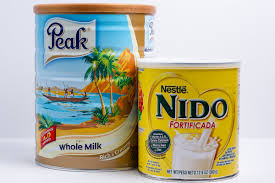
This can last for a very long time provided it’s kept in clean, dry airtight container.
This can last for a very long time provided it’s kept in clean, dry airtight container.
7. WHEAT
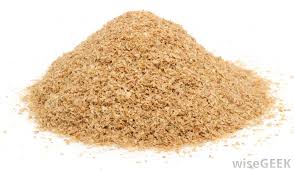
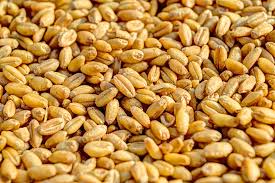
Where stored properly in a dry airtight container, wheat can last decades and still tastes nice.
Where stored properly in a dry airtight container, wheat can last decades and still tastes nice.
8. INSTANT COFFEE

Instant coffee that is vacuum freeze dried will last forever if kept in a dry airtight container.
Instant coffee that is vacuum freeze dried will last forever if kept in a dry airtight container.
9. DRY CORN

Because of its very many uses, corn serves as a staple in many diets. When dried, it can last for many years.
Because of its very many uses, corn serves as a staple in many diets. When dried, it can last for many years.
10. HARD LIQUOR

The popular Nigerian saying 'ogogoro no dey sour' after all is not an hypothetical submission of some unrepentant distilled spirit lovers, but one that has been proven true with evidences. While your favourite whiskey will keep for years, oxidation may cause a slight change in its flavor, and you need not worry about somebody sipping your liquor behind your back. If you notice a reduction in its level, its due to evaporation. Over time, an opened bottled spirit may experience some ounces of shortage.
The popular Nigerian saying 'ogogoro no dey sour' after all is not an hypothetical submission of some unrepentant distilled spirit lovers, but one that has been proven true with evidences. While your favourite whiskey will keep for years, oxidation may cause a slight change in its flavor, and you need not worry about somebody sipping your liquor behind your back. If you notice a reduction in its level, its due to evaporation. Over time, an opened bottled spirit may experience some ounces of shortage.


Comments
Post a Comment